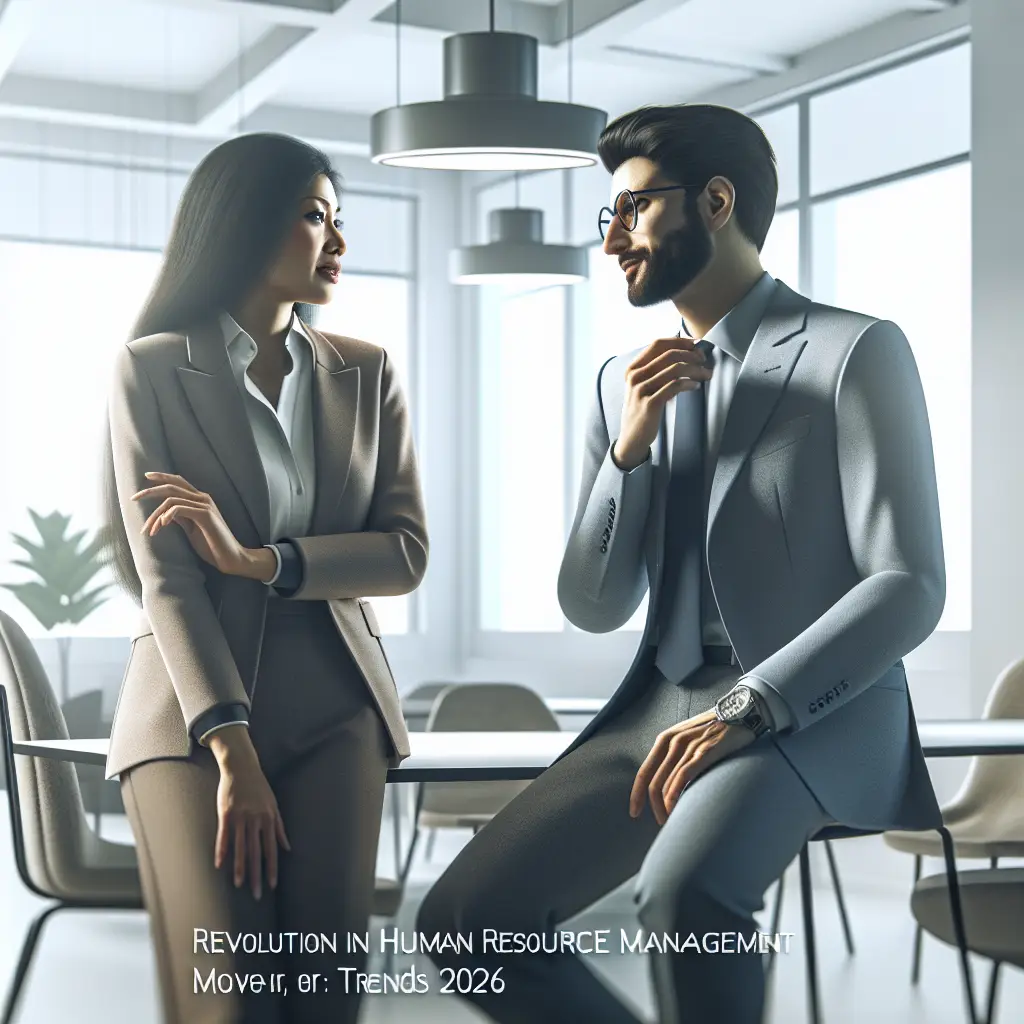


Change as a Constant in HR
The world of work in 2026 is shaped by dynamic changes in human resources management. With a new understanding of HR as a strategic success factor, companies are actively shaping their future. Technologies such as artificial intelligence (AI) and data-driven decision-making play a central role. 98% of the companies surveyed rely on HR technologies to streamline their processes. These technologies enable them to respond to market changes in real time and increase operational flexibility.
People First: Human-Centered Organizations
One trend is increasingly shaping the corporate landscape: a focus on the needs of employees. Human-centered organizations not only ensure employee satisfaction but actively foster it. 80% of employees prefer to work for a company that values their individual development. Personal development plans tailored to specific employee needs significantly boost motivation. This can lead to a productivity increase of up to 25%.
New Work and Hybrid Work Models
The pandemic has accelerated a long-term shift toward hybrid work models. Today, more than one-third of employees regularly work remotely. Companies with flexible work models report a 30% higher employee retention rate. Resilient organizational structures that promote hybrid approaches adapt quickly to unforeseen events. This flexibility continuously boosts their performance.
AI: A Game-Changer in HR
Artificial intelligence has become an indispensable part of HR processes. From recruitment to employee development, AI makes the workplace more efficient. 83% of companies have increased the efficiency of their HR departments through automation. Data-driven analytics enable real-time strategic HR decision-making. AI-powered analytics tools improve decision-making by providing precise insights.
Professional Development and Internal Mobility
Training employees is more essential today than ever before. Companies that support the professional development of their teams benefit from cost savings and increased competitiveness. Increased internal mobility complements this approach. Companies report that the opportunity for new roles has reduced turnover by 25%. Regular professional development initiatives strengthen employees’ commitment to the company’s mission.
Sustainable Leadership Concepts
At the heart of modern HR strategies are leadership concepts that foster trust, transparency, and engagement. Sustainable leadership strategies have increased satisfaction and performance by up to 40%. Resilience is viewed as a key competency, and sustainable practices provide tremendous support. Such approaches foster creativity and innovation in a supportive work environment. Companies that follow this path position themselves as attractive employers.
Digital Transformation and Its Challenges
Digital transformation presents challenges for human resources management. Companies must continuously adapt to integrate technological advancements. 76% of companies plan to train their workforce in the use of digital tools. Data protection and security are at the forefront of HR strategies. A stable technological framework is essential to ensure trust and efficiency.
Diversity and Inclusion
A diverse and inclusive corporate culture is not only an ethical imperative but also a business advantage. Studies show that diverse teams perform 35% better. Companies that actively promote diversity can recruit and retain talent more effectively. Inclusion and equality in the workplace improve the work environment and boost innovation. Through systematic diversity policies, companies successfully position themselves in the competitive landscape.
Future-Proof Strategies for HR Professionals
In 2026, HR leaders will face the challenge of developing future-proof strategies. Such strategies must be flexible and adaptable to respond to global trends. Employee retention and motivation are enhanced through tailored programs and incentives. Technology is key to optimizing internal processes and streamlining administrative tasks. Long-term success depends on a combination of technical and social skills.
Foster Agile Mindsets for Continuous Growth
Agility is no longer just a buzzword in HR—it’s a necessity. Agile mindsets promote continuous learning and adaptability in a rapidly changing work environment. Companies that apply agile principles report a 33% higher rate of innovation. These mindsets help teams achieve their goals more effectively and provide room for creativity. Flexibility in work methods enables companies to respond better to market changes.
Health Management as a Strategic Success Factor
The importance of workplace health management has increased dramatically. Companies that invest in their employees’ health see a significant reduction in sick days. A comprehensive approach that encompasses physical, mental, and emotional health is becoming the norm. Flexible wellness programs that integrate digital solutions address a variety of employee needs. Promoting employee wellness not only enhances well-being but also strengthens employee retention.
Mentoring and Coaching as Levers for Transformation
Individual support through mentoring and coaching is gaining importance. These approaches offer personalized support while fostering the development of key competencies. 70% of companies use mentoring programs to develop tomorrow’s leadership talent. Coaching builds employees’ confidence in their abilities and provides space for professional experimentation. These personalized development strategies support employees’ career paths in the long term.
Technology-Driven Change Management
Technology plays a crucial role in modern change management. The use of digital tools makes it possible to communicate and implement changes more effectively. Companies that implement technology-driven change management experience faster adaptation to new processes. Interactive platforms foster collaboration and engagement during times of change. A clear change management strategy ensures that all employees embrace the change positively.
Conclusion: People at the Heart of Digital Transformation
HR 2026 is more than the sum of its parts. Integrating innovation and empathy into HR strategies opens up new opportunities for companies. This strengthens the foundation for sustainable development. Organizations that unite people and technology in a holistic strategy are able to overcome the skilled labor shortage. In this way, they are actively shaping the future of work.
Employee Experience as the Key to Employee Satisfaction
Another important aspect of modern human resources management is the employee experience. This involves ensuring that all of an employee’s touchpoints with the company are positive. Companies that invest in the employee experience report a decrease in turnover rates of up to 20%. This shows that satisfied employees are less likely to leave the company. A positive employee experience contributes to strengthening the corporate brand in the long term.
The Role of Emotional Intelligence in Leadership
Leaders with high emotional intelligence (EQ) are able to develop deeper relationships with their teams. Studies show that teams with emotionally intelligent leaders are 15% more productive. The ability to understand and manage emotions strengthens team cohesion and trust. Companies that invest in EQ training foster a culture of openness and understanding. This culture brings benefits not only to team cohesion but also to external collaboration.
Work-Life Balance as a Strategic Advantage
The balance between work and personal life is crucial for long-term employee satisfaction. Companies that offer flexible work schedules have higher employee satisfaction. A healthy balance reduces stress and promotes health, which has a positive impact on work performance. Work-life balance initiatives lead to a reduction in sick days of up to 15%. This targeted support for employees has a long-term positive effect on corporate culture.
Sustainability and Environmental Responsibility in HR Management
Green initiatives in human resources management are becoming increasingly important. Companies that implement sustainable practices attract environmentally conscious talent. Environmental responsibility—such as reducing paper consumption or offering commuter passes—enhances a company’s appeal as an employer. Employees value companies that are committed to environmental protection, which leads to higher employee retention. Integrating sustainability into HR strategy is an integral part of forward-looking corporate management.
The Future of Work: The Balance Between People and Technology
The future of human resources management lies at the intersection of technology and people. Automation and digitalization offer numerous opportunities but also present challenges for HR. Companies must find the right balance to address both aspects. A harmonious coexistence of people and machines fosters innovation and efficiency within the company. The combination of technical tools and human empathy is the key to shaping a successful future of work.